
My Client Paid $100,000 Less Than the Sale Downstairs, Here's How
We paid roughly $100,000 less than a comparable apartment in the same block sold for two weeks earlier, a renovated unit downstairs that set a false ceiling for what buyers thought they had to pay. Same block, same market, same buyer pool. The difference was strategy, not a bigger budget.
A client who knew exactly what she wanted
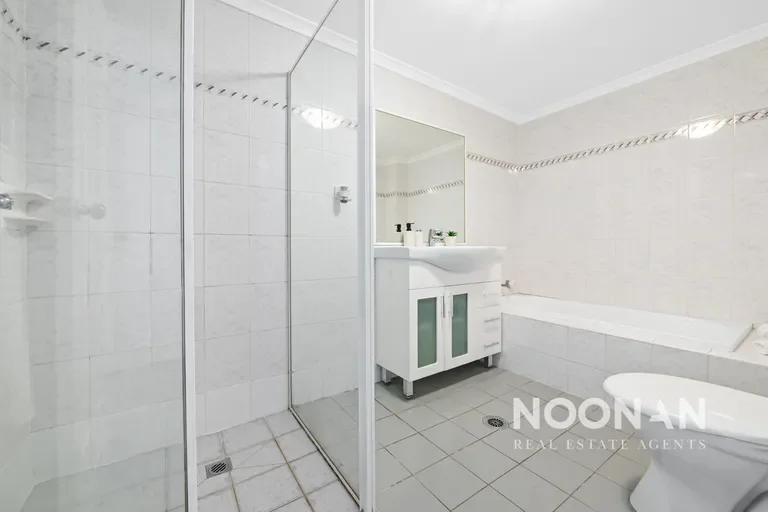
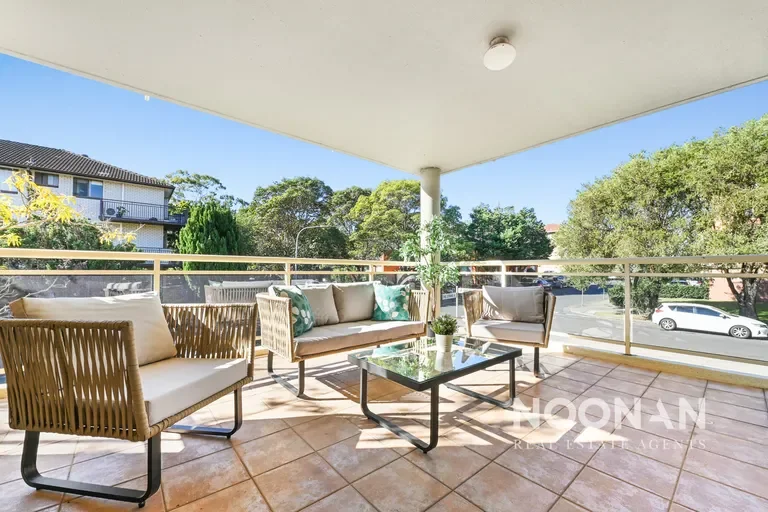
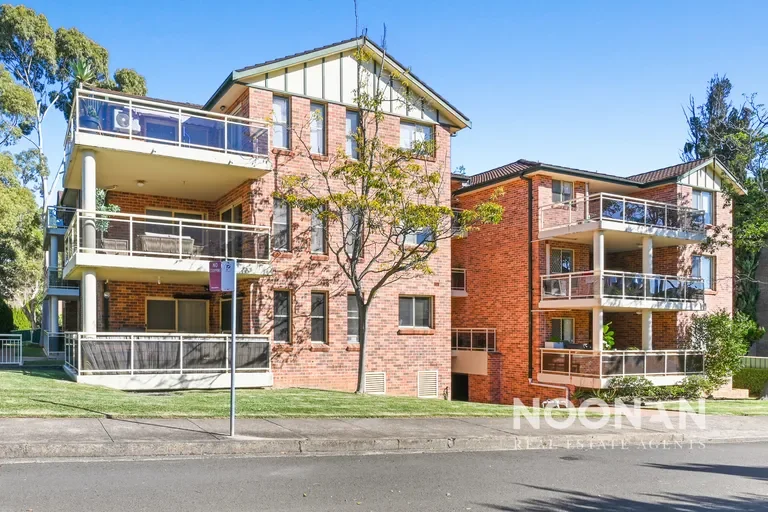
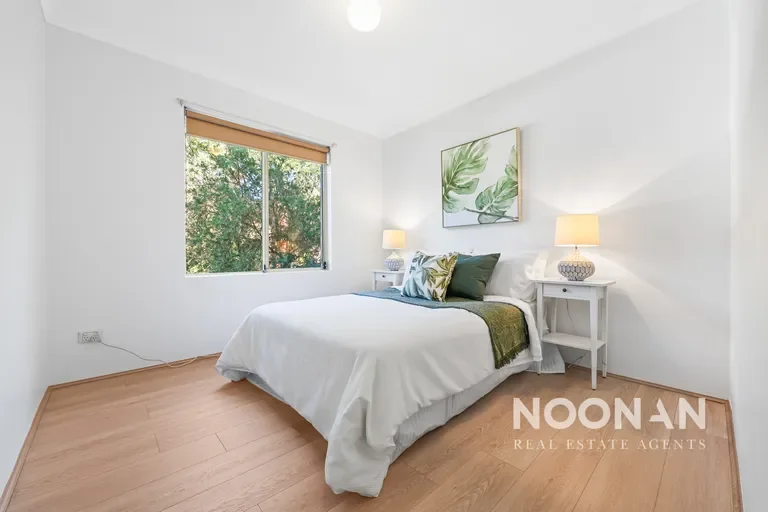
My client had just sold her home and was renting while we searched for the next one. She knew exactly where she wanted to live, Mortdale or Penshurst only, and exactly what she wanted inside it: a three or four storey red or orange brick walk-up, nothing built post-2000, a mid-level floor, two genuinely full-sized bedrooms, north-facing living, no west-facing bedrooms, and a building that was predominantly owner-occupied with a proactive strata scheme. That clarity narrowed the search dramatically, but it also meant that when the right apartment came along, there was no second-guessing. She knew straight away it was the one.
Twelve weeks, thirteen off-market options, one that got away
With such a narrow pool of eligible apartments, the search took patience. Over 12 weeks I found 13 off-market options worth considering. One got serious attention before we parked it, the balcony looked straight into the neighbouring block, which wasn't the outlook our client wanted for her next home.
The sale downstairs that set the ceiling
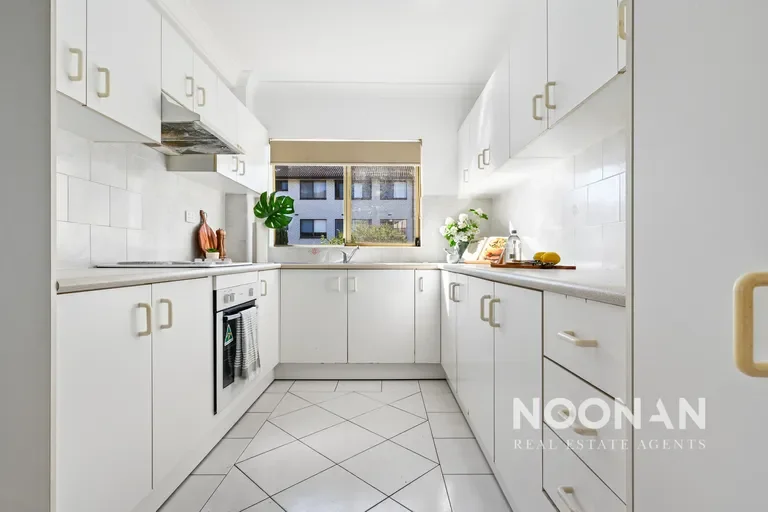
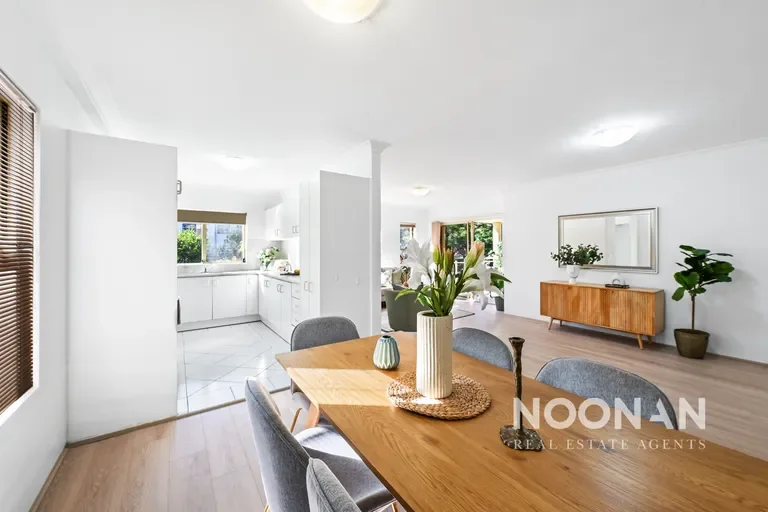
The apartment we eventually secured came to my attention pre-market. In the same block, a different agent was taking the ground-floor unit to auction, a property my client had no interest in, but one that mattered enormously to our strategy. That ground-floor unit had a kitchen and bathroom renovation completed within the past five years, typically adding a minimum of $50,000 in value. Whatever it sold for would set a price ceiling, and I planned to come in at least $50,000 under it.
That auction turned out to be a strong one. Against a price guide of $850,000, it sold for $973,000, with nine registered bidders. Once the agent and owner of our apartment saw that result, they weren't willing to entertain offers beforehand. They no longer knew what a realistic price looked like. Normally I try to avoid taking full-service clients to auction. This time, our hands were tied.
Walking in knowing more than the room
By auction day I knew things most bidders in the room didn't. The underbidder from the downstairs sale two weeks earlier only wanted level access, so she was out. Three other bidders from that auction had already bought elsewhere. The agent expected five registered bidders including us, believed the reserve sat realistically within the $800,000 to $850,000 guide, and I knew exactly how the auctioneer typically ran a room.
Auctions aren't a contest of who has the deepest pockets. They're a contest of who has the best information and the discipline to use it.
The play that won it
I positioned myself with a clear line of sight to every other registered bidder so I could read body language throughout. When the auctioneer called for an opening bid and was met with silence, I opened it myself at $800,000. I never want a vendor bid made, once that happens the auctioneer controls the room, not the buyers.
A few small bids passed between us and two other parties. Then I stopped bidding entirely, gave nothing away through body language, and let the remaining two bidders who hadn't yet participated fight it out between themselves. Once it was down to one bidder standing, I came back in with small, incremental bids and secured the apartment well under my client's maximum.


Why the smart bid isn't always the biggest one
I tell every client the same thing when we set an auction limit: I'll only spend their money the way I'd spend my own. That has never meant opening at their ceiling to guarantee a win. It means walking in with enough information to know exactly when to bid, when to sit back, and when a small increment beats a bold one. In a slow-moving auction, the winning move wasn't a knockout bid. It was patience, and letting the other side tire itself out.
Ready to make a move?
If you're staring down an auction with no idea what the other bidders know, or don't, that's exactly where a buyer's agent earns their fee. Book a call and let's talk strategy before you're standing in the room: https://www.google.com/url?q=https://calendly.com/purchasewithpenny/buyer&source=gmail&ust=1785437469194000&sa=E
